

As the vibrant colors of summer fade and the crisp air of fall settles in, it’s time for your garden to undergo a seasonal transformation. Fall garden clean-up is essential for ensuring a healthy and thriving garden in the spring. In this post, we’ll guide you through the process of what to keep, what to toss, and what to compost, making your fall clean-up efficient and environmentally friendly.
Why Fall Garden Clean-Up is Important
Disease Prevention: Removing dead or diseased plants helps prevent the spread of pathogens and pests.
Soil Health: Cleaning up debris allows for better soil aeration and improves nutrient cycling.
Preparation for Winter: Protecting your garden beds ensures they are ready for winter conditions and spring growth.
What to Keep in Your Garden
Perennials: Many perennials will die back but will return in the spring. Leave them in the ground for winter interest and to provide shelter for beneficial insects.
Mulch: If you have mulch in your garden beds, check its condition. Good mulch helps insulate soil and prevent erosion during winter rains.
Healthy Plants: Any plants that are still healthy and thriving should remain. This includes late-blooming flowers and vegetables that can withstand cooler temperatures.
What to Toss
Dead or Diseased Plants: Remove any plants that are clearly dead or showing signs of disease. Toss them in the trash to prevent the spread of disease.
Weeds: Weeds can be a source of competition for your garden next season. Pull them up and dispose of them to maintain a healthy garden space.
Annuals: Once the frost has hit, it’s best to remove spent annuals. They won’t survive the winter and can harbor pests.
What to Compost
Healthy Plant Material: Leaves, stems, and any non-diseased plant matter can go into your compost pile. They add valuable organic material to your soil.
Fruit and Vegetable Scraps: If you’ve harvested your garden, compost any leftover peels, cores, or non-diseased scraps. They enrich your compost and reduce waste.
Grass Clippings and Fall Leaves: Both are excellent additions to compost. Grass clippings provide nitrogen, while leaves contribute carbon, creating a balanced compost mix.
Tips for an Effective Fall Garden Clean-Up
Make a Plan: Before diving in, assess your garden and create a checklist of tasks to accomplish.
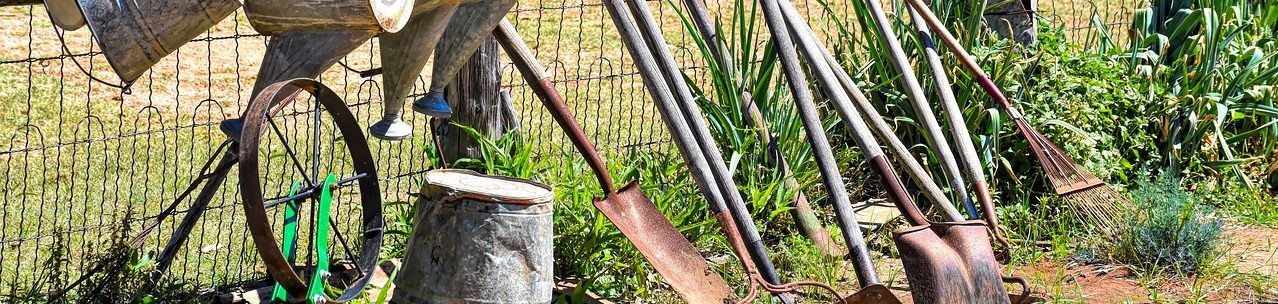
Use the Right Tools: Equip yourself with gloves, pruners, a rake, and a compost bin to streamline the process.
Stay Safe: Be cautious of sharp tools and wear protective gear when necessary.
Fall garden clean-up doesn’t have to be a daunting task. By knowing what to keep, what to toss, and what to compost, you can create a healthy foundation for your garden’s future. Embrace the season, and give your garden the care it needs to flourish come spring. Happy gardening!
 The Planter's Companion