
As summer fades into fall, gardeners everywhere prepare for the last harvest of the season. While some may feel a twinge of sadness at the thought of saying goodbye to their garden, this is also the perfect time to maximize your yield and make the most of your hard work. Here are some tips for harvesting the last of your garden while ensuring you get the best out of every plant.
1. Timing Is Everything
One of the most crucial aspects of harvesting is timing. For many crops, picking them at the right moment can enhance their flavor and texture. Keep an eye on the following signs:
Color: Vegetables like tomatoes and peppers should be vibrant and fully colored.
Size: For beans and zucchini, size matters. Harvest when they’re young and tender.
Texture: Leafy greens should be crisp, not wilted or overly mature.
2. Use the Right Tools
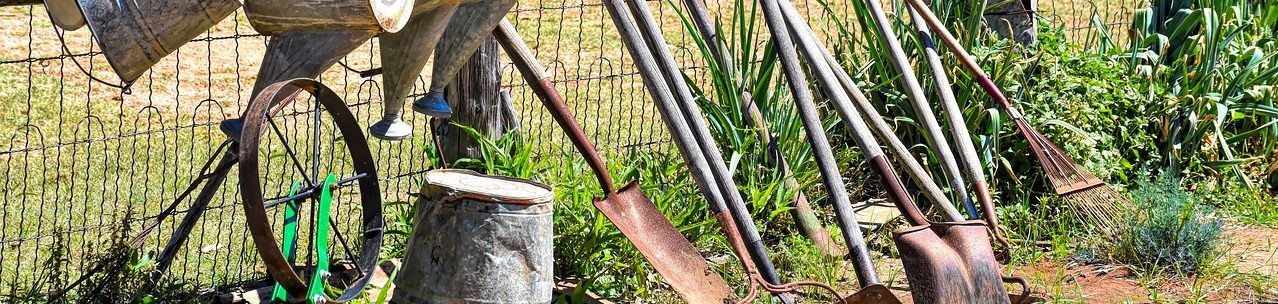
To maximize your yield, ensure you have the right tools on hand:
Garden Shears: Sharp shears help avoid damage to the plants.
Harvesting Basket: Use a basket to collect your produce efficiently.
Gloves: Protect your hands from thorns and dirt.
3. Extend Your Harvest Season
If you want to stretch your harvest into the cooler months, consider these tips:
Frost Covers: Use row covers or cloths to protect delicate plants from early frosts.
Cold Frames: These can help trap heat and extend the growing season for greens.
Succession Planting: Plan ahead for a second round of planting in late summer for a fall harvest.
4. Prioritize Storage
Once you’ve harvested your vegetables, proper storage is key to maintaining freshness:
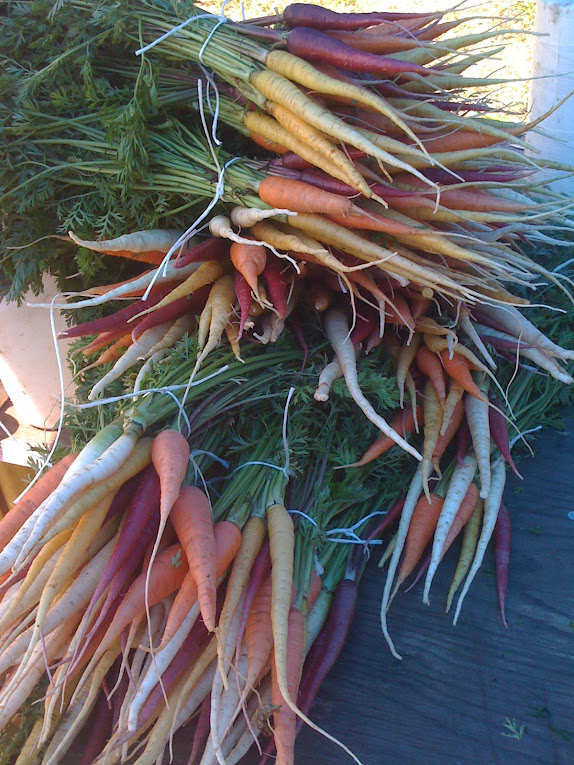
Cool, Dry Place: Store root vegetables like carrots and potatoes in a cool, dark environment.
Refrigerate: Leafy greens and herbs do best in the fridge, ideally wrapped in a damp paper towel.
Freezing: If you have excess produce, consider blanching and freezing for future meals.
5. Compost the Leftovers
After harvesting, don’t let the remnants go to waste. Composting plant debris not only enriches your soil but also prepares your garden for next season. Make sure to add:
Green Materials: Such as vegetable scraps and grass clippings.
Brown Materials: Like dry leaves and straw.
6. Reflect and Plan for Next Year
As you wrap up your gardening season, take some time to reflect on what worked well and what didn’t. Keep a garden journal to note down:
Successful Varieties: Which crops yielded the best results?
Pest Issues: Any recurring problems to address next season.
Growth Patterns: Changes in sunlight and soil quality throughout the year.
Harvesting the last of your garden is not just about gathering produce; it’s an opportunity to learn and grow for the next season. By following these tips, you can maximize your yield and ensure that every plant reaches its full potential. Embrace the changing seasons and celebrate the fruits of your labor!
By optimizing your garden for the end of the season, you’ll not only enjoy delicious produce but also prepare for an even more fruitful gardening experience next year!
 The Planter's Companion