
Softscaping: Essential Tips for a Vibrant and Sustainable Garden
Softscaping is a key element in landscape design that focuses on the living aspects of your outdoor environment. Unlike hardscaping, which includes non-living elements such as pathways and patios, softscaping encompasses the use of plants, soil, and other organic materials. Incorporating effective softscaping techniques can greatly enhance the beauty and functionality of your garden, making it a more inviting and enjoyable space. This guide will explore essential tips for successful softscaping, helping you create a lush, vibrant, and sustainable garden.
Choosing the Right Plants for Your Garden
When planning your softscaping project, selecting the right plants is crucial. Consider factors such as your local climate, soil conditions, and the amount of sunlight your garden receives. Native plants are a smart choice because they are adapted to local environments and generally require less maintenance. By choosing a mix of perennials, shrubs, and trees, you can create a diverse and visually appealing garden that remains attractive throughout the year.
Soil Preparation and Improvement
Soil quality is a fundamental aspect of successful softscaping. Healthy soil provides essential nutrients that plants need to thrive. Before planting, test your soil to determine its pH and nutrient levels. Amend the soil with organic matter, such as compost or well-rotted manure, to enhance its structure and fertility. Proper soil preparation helps ensure robust plant growth and a flourishing garden.
The Importance of Mulching
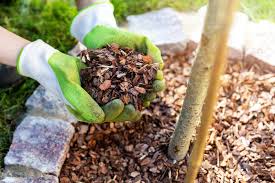
Mulch plays a vital role in softscaping by offering numerous benefits. It helps retain soil moisture, suppresses weeds, and regulates soil temperature. Organic mulches, like wood chips or straw, break down over time, adding valuable nutrients to the soil. Apply mulch around plants and garden beds to support plant health and improve the overall appearance of your landscape.
Effective Watering Practices
Proper watering is essential for maintaining a healthy garden. Different plants have varying water needs, so it’s important to understand the requirements of each species. Implementing an efficient irrigation system, such as drip irrigation or soaker hoses, can provide consistent moisture while minimizing water waste. By practicing effective watering techniques, you can prevent issues like root rot and plant stress.
Sustainable Softscaping Techniques
Sustainability is an important consideration in modern softscaping. Opt for drought-tolerant plants that require less water, and choose organic fertilizers and pest control methods to minimize environmental impact. Incorporating features like rain gardens or permeable surfaces can help manage stormwater runoff and support local ecosystems. Sustainable practices not only benefit the environment but also contribute to a low-maintenance and resilient garden.
Designing a Harmonious Softscape
A well-designed softscape integrates plants and organic elements seamlessly with the rest of your landscape. Consider the color, texture, and height of plants to create visual interest and balance. Group plants with similar needs together and design garden beds that complement existing hardscaping features. A cohesive design enhances the overall aesthetic of your outdoor space and ensures a harmonious and functional garden.
Ongoing Maintenance for a Thriving Garden
Regular maintenance is essential to keep your softscape looking its best. Routine tasks include pruning, fertilizing, and monitoring for pests and diseases. Seasonal care, such as adjusting watering schedules and preparing plants for winter, helps maintain the health and beauty of your garden throughout the year. Investing in regular maintenance ensures that your garden continues to thrive and remains an enjoyable part of your home.
Softscaping is a vital component of landscape design that adds life, beauty, and functionality to your outdoor space. By choosing the right plants, preparing your soil, and implementing sustainable practices, you can create a vibrant and inviting garden. With thoughtful design and regular maintenance, your softscape can become a lush, dynamic environment that enhances your home and provides enjoyment for years to come.
Sustainable Farming
Involving practices that maintain or enhance soil health, conserve water, reduce reliance on synthetic chemicals, and promote biodiversity.
Vegetable Gardening
The selection, planting, and care of various vegetables, herbs, and sometimes fruits, with a focus on producing nutritious, home-grown produce.
Ornamental Gardening
The practice of selecting, arranging, and maintaining a variety of plants—such as flowers, shrubs, trees, and ground covers.
 The Planter's Companion