
The Art of Ornamental Planting Enhancing Your Garden’s Beauty

Ornamental planting transforms ordinary gardens into stunning displays of nature’s artistry. By incorporating a variety of plants for their aesthetic appeal rather than their practical uses, gardeners can create visually engaging landscapes that captivate the senses. Whether you’re a novice gardener or a seasoned landscaper, understanding ornamental planting can elevate your outdoor spaces.
Choosing the Right Plants
The foundation of successful ornamental planting is selecting the right plants. Opt for varieties that complement your garden’s climate and soil conditions. Popular choices include vibrant annuals like marigolds and petunias, which offer bold colors and continuous blooms. Perennials such as daylilies and hostas provide lasting beauty and structure. For added visual interest, consider incorporating ornamental grasses and flowering shrubs.
Design Principles for Stunning Gardens
Effective ornamental planting relies on thoughtful design principles. Create a balanced layout by varying plant heights and textures to add depth. Use repetition and symmetry to establish harmony and cohesion within the garden. Incorporate focal points, such as sculptural plants or decorative containers, to draw the eye and create interest.
Seasonal Considerations
One of the advantages of ornamental planting is the ability to enjoy a beautiful garden year-round. Choose plants with staggered blooming periods to ensure continuous color and texture. Incorporate evergreens and winter-interest plants to maintain visual appeal during the colder months. Seasonal changes can also be highlighted through rotating annuals and seasonal decorations.
Container Gardening for Flexibility
Container gardening offers flexibility in ornamental planting. By using pots and planters, you can easily change the look of your garden according to season or occasion. This approach is ideal for small spaces or urban environments where ground planting is limited. Experiment with different container sizes, shapes, and materials to enhance your garden’s aesthetic.
Incorporating Textures and Colors
Mixing textures and colors is key to creating dynamic ornamental gardens. Combine plants with various leaf shapes and surface textures to add visual interest. Contrast bold, bright flowers with lush foliage or delicate, airy plants. The interplay of textures and colors can significantly impact the overall ambiance of your garden.
Maintenance for Longevity
Maintaining your ornamental garden is crucial for preserving its beauty. Regularly check for pests and diseases that can affect plant health. Prune and deadhead plants to encourage continuous blooming and tidy appearance. Mulching and proper watering techniques help ensure that your ornamental plants thrive throughout the growing season.
Eco-Friendly Practices
Embrace eco-friendly practices in your ornamental planting efforts. Choose native plants that support local wildlife and require less water and maintenance. Implementing sustainable practices, such as composting and rainwater harvesting, can reduce your garden’s environmental impact while promoting a healthier, more resilient landscape.
Ornamental planting is more than just arranging flowers; it’s about crafting an outdoor space that reflects beauty and creativity. By selecting the right plants, applying thoughtful design principles, and maintaining your garden with care, you can enjoy a vibrant and picturesque landscape year after year. Embrace the art of ornamental planting and watch your garden flourish into a captivating haven of natural beauty.
By following these guidelines, you can create an enchanting garden that not only enhances your home’s exterior but also brings joy and relaxation to those who experience it.
Hardscaping
Exploring the elements in landscape design, such as paving, walls, paths, fences, and other structural features. It involves incorporating materials like stone, concrete, wood, and metal to create functional and aesthetically pleasing outdoor spaces.
Softscaping
Exploring the living components of landscape design, including plants such as trees, shrubs, flowers, and grasses. It focuses on the selection, placement, and care of these vegetation elements to enhance the beauty, texture, and ecological function of outdoor spaces.
Tools and Equipment
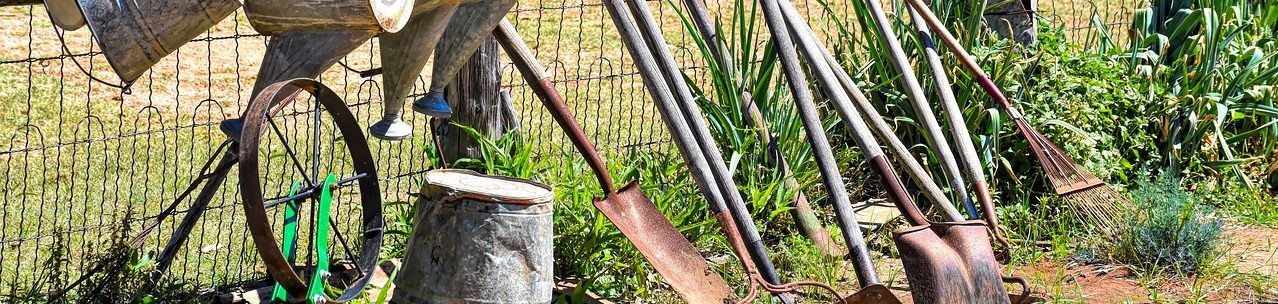
Landscaping and gardening tools and equipment are essential for efficiently and effectively managing outdoor spaces. These tools include hand tools like trowels, pruners, and rakes for detailed tasks, as well as power tools such as lawnmowers, trimmers, and leaf blowers for larger-scale maintenance.
 The Planter's Companion