
Transform Your Outdoors: A Comprehensive Guide to Hardscaping
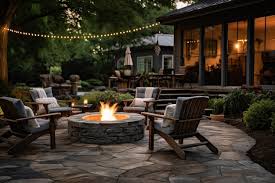
Hardscaping is an essential element of landscape design that involves the use of non-plant materials to create functional and aesthetically pleasing outdoor spaces. By incorporating features like patios, walkways, retaining walls, and outdoor kitchens, hardscaping enhances the usability and beauty of your property. Whether you’re redesigning your backyard or starting from scratch, understanding the fundamentals of hardscaping can help you create a stunning outdoor environment.
Understanding Hardscaping
Hardscaping refers to the construction of permanent features in a landscape that are made from materials like stone, brick, concrete, or wood. Unlike softscaping, which focuses on plant life and greenery, hardscaping provides the structural framework for outdoor areas. Key elements of hardscaping include patios, walkways, retaining walls, and outdoor living spaces. These features not only add visual interest but also improve the functionality of your outdoor space, making it more enjoyable and practical.
Building Patios and Decks
Patios and decks are foundational elements of hardscaping that provide outdoor living areas for relaxation and entertainment. When building a patio, choose durable materials like flagstone or concrete pavers that can withstand foot traffic and weather conditions. For decks, consider using pressure-treated wood or composite materials that offer longevity and low maintenance. Ensure proper drainage and leveling during installation to prevent issues like water pooling or uneven surfaces.
Creating Functional Walkways
Walkways are vital for connecting different areas of your property and guiding visitors through your landscape. When designing walkways, select materials that match the aesthetic of your hardscape and provide a safe, slip-resistant surface. Popular choices include natural stone, brick, and concrete pavers. Consider the width and curvature of your walkways to ensure they accommodate foot traffic comfortably and enhance the overall flow of your outdoor space.
Incorporating Retaining Walls
Retaining walls are functional hardscaping elements that help manage soil erosion and create level areas in sloped landscapes. These walls can also serve as attractive design features, adding visual interest and structure to your yard. Choose materials that complement your overall design and ensure proper construction techniques to guarantee stability and durability. Installing drainage solutions behind the wall can prevent water buildup and potential damage.
Hardscaping is a vital component of landscape design that enhances both the aesthetics and functionality of outdoor spaces. By carefully selecting materials, designing a cohesive layout, and incorporating key features like patios, walkways, and retaining walls, you can create a beautiful and practical outdoor environment. With proper maintenance, your hardscaped areas will provide lasting enjoyment and value to your property. Start planning your hardscaping project today and transform your outdoor space into a stunning retreat.
Maintaining Your Hardscape
Proper maintenance is essential for preserving the beauty and functionality of your hardscape features. Regularly clean surfaces to remove dirt and stains, and inspect for any signs of wear or damage. Seal porous materials like natural stone and concrete to protect against moisture and stains. Address any issues promptly to prevent further deterioration and ensure that your hardscape remains in excellent condition for years to come.
Choosing the Right Materials
Selecting the right materials is crucial for a successful hardscaping project. Popular options include natural stone, pavers, brick, and concrete, each offering unique benefits and aesthetics. Natural stone provides a timeless look and durability, while pavers offer versatility and ease of installation. Brick adds classic charm, and concrete can be customized with various finishes and colors. Consider the style of your home, the climate, and your budget when choosing materials to ensure they complement your overall design.
Designing Your Hardscape Layout
Designing a well-thought-out hardscape layout is essential for maximizing the impact of your outdoor space. Start by assessing the functionality you need, such as seating areas, pathways, or outdoor cooking spaces. Create a design that integrates these features seamlessly with your existing landscape. Incorporate elements like curves and patterns to add visual interest and ensure smooth flow between different areas. Using design software or consulting with a landscape architect can help you visualize and refine your hardscape layout before construction begins.
 The Planter's Companion