
For many gardeners, September signals the winding down of the growing season. But if you act quickly, it can actually be a prime time to plant vegetables for a fall harvest. With cooler temperatures, fewer pests, and more predictable rainfall, early fall offers ideal growing conditions for a variety of fast-maturing, cold-tolerant crops.
If you’re wondering what vegetables you can still plant in September, this guide covers exactly that—plus helpful tips for a successful fall vegetable garden.
Why Plant a Fall Garden in September?
Planting in September offers several unique advantages:
- Cooler temperatures reduce heat stress on plants
- Fewer pests and diseases affect cool-season crops
- Better flavor — many fall vegetables taste sweeter after a light frost
- Extended productivity in your garden beds
- Second harvest opportunity without the summer heat
To get the best results, choose crops that mature quickly or tolerate light frost, and be sure to know your first expected frost date.
Vegetables You Can Still Plant in September
Here’s a list of vegetables that thrive when planted in early to mid-September, depending on your USDA growing zone.
1. Spinach
- Days to Maturity: 35–45
- Frost Tolerance: Excellent
- Planting Tip: Direct sow in well-drained soil and keep it consistently moist. Mulch to retain moisture and warmth.
SEO Keywords: planting spinach in fall, fall vegetables September
2. Radishes
- Days to Maturity: 25–30
- Frost Tolerance: Good
- Planting Tip: Radishes grow fast, so you can even get multiple harvests before the first hard frost.
3. Lettuce
- Days to Maturity: 30–60 (varies by variety)
- Frost Tolerance: Light frost-tolerant
- Planting Tip: Choose fast-maturing leaf lettuces and cover with row fabric to extend the season.
4. Kale
- Days to Maturity: 50–65
- Frost Tolerance: Excellent
- Planting Tip: Frost actually improves the flavor of kale, making it sweeter and more tender.
SEO Keywords: planting kale in September, best fall greens
5. Arugula
- Days to Maturity: 20–30
- Frost Tolerance: Light frost-tolerant
- Planting Tip: Arugula grows quickly and thrives in cooler temps. Succession plant every 1–2 weeks for continual harvest.
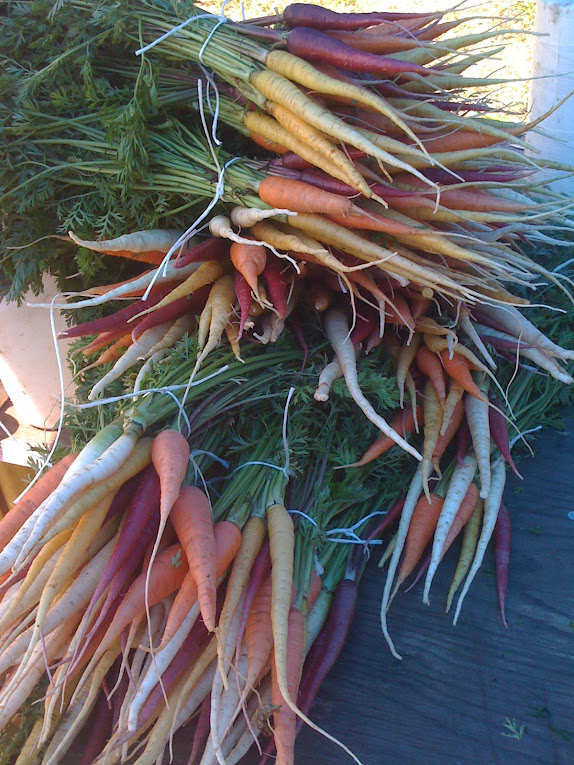
6. Carrots
- Days to Maturity: 60–80
- Frost Tolerance: Very good
- Planting Tip: Sow seeds directly into deep, loose soil. Carrots store well in the ground and sweeten after frost.
7. Beets
- Days to Maturity: 50–70
- Frost Tolerance: Good
- Planting Tip: Both the root and greens are edible. Beets planted in September can be harvested in late fall or overwintered with protection.
8. Turnips
- Days to Maturity: 40–60
- Frost Tolerance: Excellent
- Planting Tip: Quick to mature, turnips are great for both greens and roots. They tolerate cold well and are easy to grow.
9. Mustard Greens
- Days to Maturity: 30–45
- Frost Tolerance: Good
- Planting Tip: Spicy and nutrient-dense, mustard greens love the cool weather and can be cut and come again.
10. Garlic (For Spring Harvest)
- Planting Window: Late September through October
- Frost Tolerance: Excellent
- Planting Tip: Garlic won’t be harvested until next summer, but fall is the perfect time to plant cloves for a strong start.
Tips for Fall Vegetable Gardening Success
To make the most of your September planting, follow these key tips:
1. Know Your Frost Dates
Look up your region’s average first frost date to determine how many days you have left in the growing season.
2. Use Row Covers or Cold Frames
Protect tender crops from early frosts using floating row covers or DIY cold frames. These can extend your growing season by weeks.
3. Amend Your Soil
After summer crops, your soil may be depleted. Add compost or aged manure to restore nutrients for fall planting.
4. Water Consistently
Cooler temps don’t mean your plants don’t need water. Keep the soil consistently moist, especially for seedlings.
5. Succession Plant
Stagger your plantings every week or two for a continuous supply of fresh vegetables through the fall.
Don’t pack up your tools just yet—September is full of gardening potential. Whether you’re growing leafy greens, root crops, or planning ahead with garlic, a fall garden is a smart and rewarding way to extend your harvest season.
Even if you’re short on time, focusing on just a few fast-growing crops can result in fresh, homegrown vegetables well into late fall.
 The Planter's Companion