
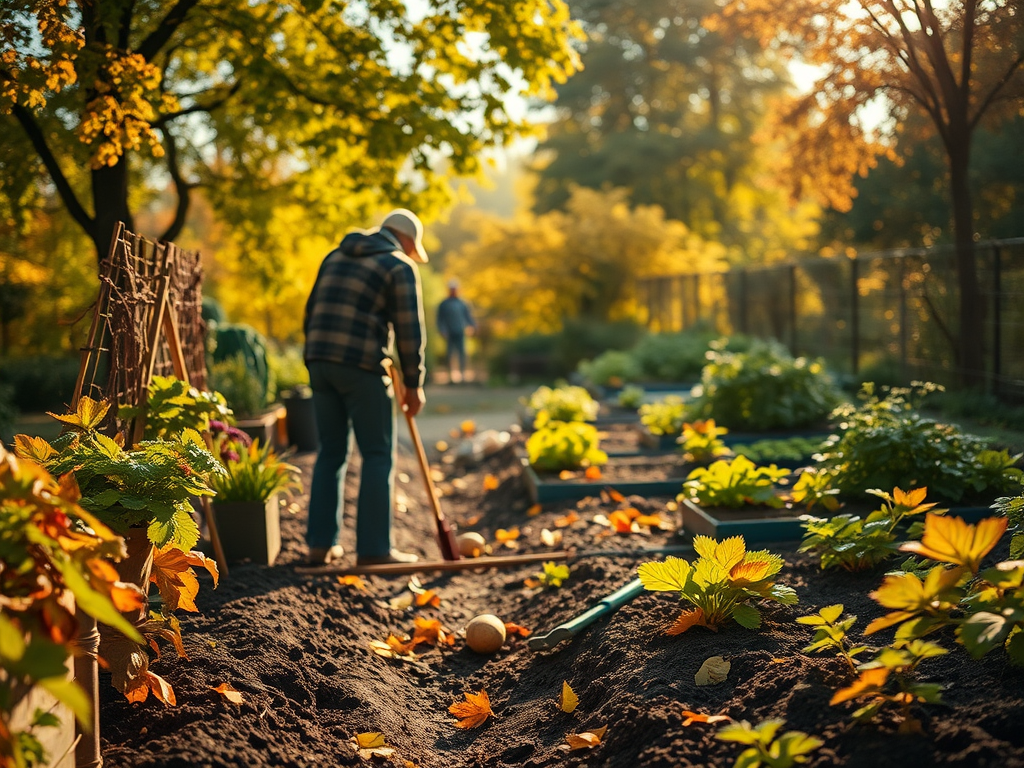
As summer begins to wind down and cooler weather approaches, it’s time to start thinking about preparing your garden for the fall season. While autumn brings a new set of challenges for gardeners, it also presents opportunities to grow fall crops, preserve perennials, and set your garden up for success in the coming months. In this blog post, we’ll explore essential steps for transitioning your garden from summer to fall, including planting fall crops, winterizing perennials, and preparing your landscape for the cooler months ahead.
1. Planting Fall Crops: Extending Your Harvest Season
Fall is an excellent time to grow a variety of vegetables that thrive in cooler temperatures. If you want to extend your harvest season and enjoy fresh produce well into autumn, consider planting these fall-friendly crops in late summer or early fall:
Best Fall Crops to Plant
- Leafy Greens: Lettuce, spinach, kale, and arugula thrive in cooler weather and can be harvested well into fall.
- Root Vegetables: Carrots, beets, radishes, and turnips can be planted in late summer for a fall harvest. These crops do well in cooler soil and can even withstand light frosts.
- Brassicas: Broccoli, cauliflower, cabbage, and Brussels sprouts grow well in fall. Start them early enough to give them time to mature before the first frost.
Tip: Make sure to choose fast-maturing varieties and consider using row covers to protect crops from early frosts. You can also plant crops like garlic or shallots for a harvest the following summer.
2. Winterizing Perennials: Preparing for the Cold Months Ahead
Winterizing your perennials is crucial to ensure they come back strong next spring. Many perennial plants need extra protection as the temperatures drop, and by taking the right steps now, you can help them survive the winter and thrive the following year.
Prune Dead Growth
After your perennials have finished blooming, it’s time to remove any dead or diseased foliage. While it’s important to leave healthy foliage in place to protect the roots during the winter months, dead or damaged parts of plants can invite pests and diseases. Prune back any brown, brittle stems and foliage to ensure your perennials stay healthy throughout the colder months.
Mulch Around the Base of Plants
A layer of mulch helps insulate the soil and roots of perennials, providing extra protection against freezing temperatures. Use materials like straw, leaves, or shredded bark, and apply a 2-3 inch layer around the base of the plants. Be sure not to pile mulch directly against the stems, as this can cause rot.
Tip: Be mindful of the type of mulch you use—organic mulches break down over time and will need to be replenished, while inorganic mulches like gravel or pebbles can last longer but offer less insulation.
Dividing Perennials
Fall is a great time to divide certain perennial plants that have outgrown their space or become overcrowded. By dividing your perennials, you can promote healthy growth and ensure your garden stays vibrant in the coming seasons.
3. Tending to Your Lawn: Preparing Grass for Fall and Winter
As temperatures cool down, your lawn’s needs change too. Fall is the ideal time to give your lawn some extra care to ensure it stays lush and healthy through the colder months.
Aerate Your Lawn
Lawn aeration helps alleviate soil compaction and allows air, water, and nutrients to reach grass roots more effectively. Aerating in early fall can give your lawn a much-needed boost as it prepares for the winter months.
Fertilize for Fall Growth
Fertilizing your lawn in the fall is key to helping it recover from summer stress and prepare for the winter. Use a balanced fertilizer that’s high in potassium to encourage root development and disease resistance. This will help your grass green up quickly come spring.
Tip: If you haven’t seeded your lawn yet, now is the time to do so. Fall seeding allows grass to establish strong roots before the first frost.
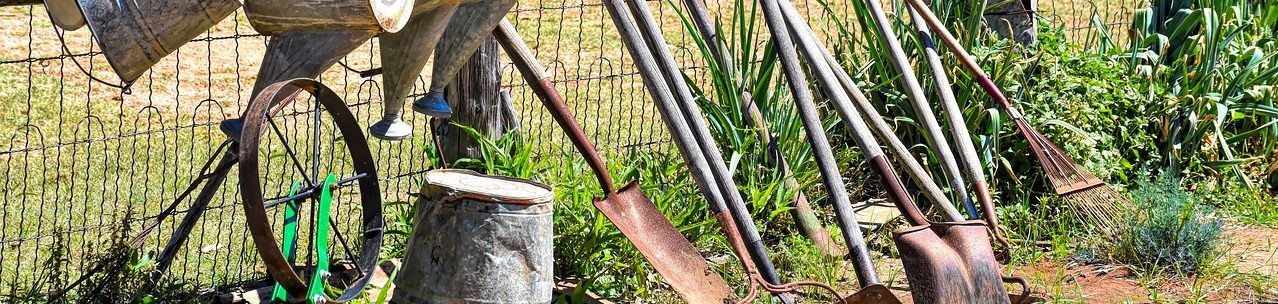
4. Clean and Maintain Your Garden Tools
Before the first frost hits, take the time to clean and sharpen your garden tools. Proper maintenance ensures that your equipment stays in good working condition and is ready for use in the spring.
Sharpen Tools and Blades
Clean off dirt and rust from tools like pruners, hoes, and shovels. Sharpen blades to make sure your tools are efficient when you need them. A sharp blade also reduces the chance of injury and makes cuts cleaner, which is better for plant health.
Store Tools Properly
Store tools in a dry, sheltered location to prevent rusting and damage. Consider hanging tools off the ground or placing them in a tool shed to protect them from the elements.
5. Protecting Sensitive Plants from Frost
As temperatures begin to dip, frost becomes a concern for sensitive plants. To ensure your garden stays protected, here are a few strategies:
Use Row Covers or Cloches
Row covers and cloches are fabric covers that protect plants from frost while still allowing sunlight and rain to reach them. These are especially useful for fall crops that need a little extra protection as the weather cools.
Bring Container Plants Indoors
If you have potted plants, consider bringing them indoors before the first frost. Tropical plants, herbs, and flowering annuals are especially vulnerable to cold temperatures.
6. Plan for Fall Landscaping: Seasonal Beautification
Fall is a great time to enhance your landscape by planting autumn-hardy plants, shrubs, and trees. Not only will they thrive in the cooler weather, but they’ll also add beauty to your garden in the coming months.
Add Fall-Focused Plants
- Autumn-Flowering Plants: Chrysanthemums, asters, and sedums are perfect for adding color to your garden as the weather cools.
- Evergreens: Consider adding evergreen shrubs or trees to provide year-round structure and greenery.
- Fall Trees: Planting trees that offer vibrant fall color—such as maples, oaks, and birches—can make your garden a showstopper in autumn.
7. Composting for Fall: Preparing for Spring Growth
Fall is a great time to start composting fallen leaves, garden waste, and vegetable scraps. The nutrients from decomposed organic matter will enrich your soil, preparing it for the growing season ahead.
Layer Leaves and Grass Clippings
Use your fall leaves and grass clippings to create a balanced compost pile. Layer them with kitchen scraps and green materials like coffee grounds and vegetable peels to ensure proper decomposition.
Tip: If you don’t want to compost all your leaves, you can shred them and use them as mulch in garden beds. Shredded leaves break down faster and provide excellent insulation for your plants.
By taking these proactive steps to prepare your garden for fall, you’ll not only ensure that your plants and crops make it through the season but also set your garden up for a successful spring. From planting fall vegetables to winterizing perennials, fall garden preparation is all about taking the time now to ensure healthy growth in the future.
By following these tips, you can enjoy a vibrant fall garden and be ready for the next growing season before winter arrives!
 The Planter's Companion