
As summer stretches into August, your garden may be looking for a little extra vibrancy and texture. The blazing sun can take its toll on some plants, but with the right selection of late-blooming flowers, shrubs, and trees, your garden can burst with color well into the fall. Whether you’re looking for bold hues, soft pastels, or interesting textures, late-summer blooms can provide that perfect finishing touch to your garden landscape. In this blog post, we’ll explore the best plants for color and texture in August gardens that thrive during the hot, dry months of late summer.
1. Late-Blooming Perennials for Continuous Color
Perennials are the backbone of any garden, providing color year after year. In August, you can rely on certain hardy perennials to brighten your garden with vibrant blooms and interesting textures.
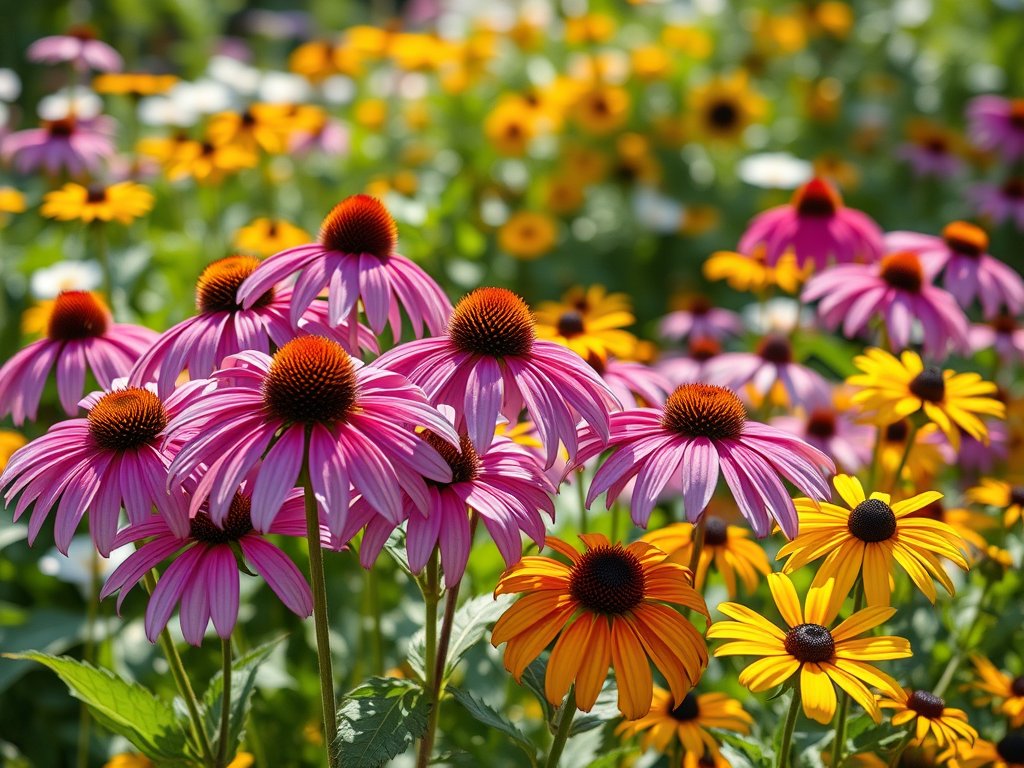
Coneflower (Echinacea)
- Why It’s Great: Coneflowers are hardy, drought-tolerant plants that bloom in late summer. They come in a variety of colors, including purple, pink, white, and even orange. Their large, daisy-like flowers stand tall, making them a striking feature in any garden.
- Texture: The spiny central cone adds an architectural element to the garden, while the petals offer soft, flowing movement in the breeze.
Tip: Coneflowers are also great for attracting pollinators like bees and butterflies.
Black-eyed Susan (Rudbeckia)
- Why It’s Great: Black-eyed Susans are beloved for their bold yellow petals and dark centers. They bloom from late summer into early fall, making them an excellent choice for adding long-lasting color.
- Texture: Their daisy-like flowers add a dynamic pop of color, and their robust stalks create structure in the garden.
Tip: These plants thrive in full sun and are incredibly low-maintenance.
Shasta Daisy (Leucanthemum)
- Why It’s Great: Shasta daisies bring bright white, cheerful blooms to your garden. They bloom in late summer and can continue well into fall, providing a timeless classic look.
- Texture: Their large, crisp white flowers contrast beautifully with green foliage, offering a refreshing, clean look.
Tip: Shasta daisies work wonderfully as cut flowers, brightening up your indoor spaces as well.
2. Vibrant Shrubs for Late-Summer Color
If you’re looking to add a burst of color and texture with less maintenance, shrubs are an excellent option. Many shrubs bloom profusely in August, adding layers of beauty and interest to your garden.
Hydrangea (Hydrangea macrophylla)
- Why It’s Great: Hydrangeas are known for their showy, oversized blooms that come in shades of pink, blue, white, and purple. Many varieties bloom in late summer and provide gorgeous color in the garden.
- Texture: Hydrangea flowers are large, fluffy, and create a soft, inviting texture. Their broad, rounded form contrasts nicely with finer-leafed plants.
Tip: The color of hydrangea blooms can vary based on soil pH, so you can adjust the soil’s acidity to shift the bloom color (blue in acidic soils, pink in alkaline soils).
Russian Sage (Perovskia atriplicifolia)
- Why It’s Great: Russian sage produces long, spiky clusters of lavender-blue flowers from mid-summer to fall. This low-maintenance shrub thrives in hot, dry conditions, making it a perfect fit for late-summer gardens.
- Texture: Its silvery foliage adds a soft, fine texture, and the flower spikes provide vertical interest in your garden.
Tip: Russian sage is a fantastic companion plant for other late-blooming perennials like coneflowers and black-eyed Susans.
Summer Beauty Sedum (Sedum spectabile)
- Why It’s Great: Known for its ability to withstand hot, dry conditions, Summer Beauty Sedum blooms in late summer and into fall with clusters of pink to deep red flowers. It’s perfect for adding texture and a pop of color as other summer blooms fade.
- Texture: The plant’s succulent-like leaves offer a thick, fleshy texture, and its late-season flowers attract pollinators like bees and butterflies.
Tip: Sedum can be used in containers or as a ground cover, making it versatile in garden design.
3. Colorful Trees for Late Summer Impact
Adding trees to your garden not only offers shade and structure but also enhances the visual interest with late-blooming flowers and foliage. In August, several trees are starting to show their true beauty with vibrant blooms and eye-catching textures.
Crape Myrtle (Lagerstroemia)
- Why It’s Great: Crape myrtle is known for its stunning summer to fall bloom, with colorful flowers in shades of pink, red, purple, and white. These trees are a showstopper in late summer gardens.
- Texture: The bark of the crape myrtle is often smooth and multi-colored, adding year-round interest. Its dense clusters of flowers add a soft, frilled texture to your landscape.
Tip: Crape myrtles are great for creating a focal point or adding color along garden borders.
Japanese Maple (Acer palmatum)
- Why It’s Great: While Japanese maples are known for their gorgeous fall foliage, many varieties also have interesting summer textures and hues, ranging from rich greens to deep burgundies.
- Texture: The delicate, finely cut leaves add a soft, almost lacy texture. Some varieties have red or purple foliage that provides an interesting contrast against other plants.
Tip: Japanese maples do best in partial shade, making them ideal for adding color in gardens that don’t receive full sun all day.
Flowering Dogwood (Cornus florida)
- Why It’s Great: Dogwoods are cherished for their large, white or pink blooms that appear in late summer. They are also known for their beautiful fall foliage, which adds even more color to the landscape.
- Texture: The tree’s smooth, attractive bark adds texture, while its flowers provide a soft, rounded look that complements other plants in the garden.
Tip: Flowering dogwoods thrive in well-drained, acidic soils and benefit from partial shade.
4. Grasses and Foliage Plants for Texture
Adding grasses and foliage plants to your late-summer garden can provide a rich textural contrast to blooming flowers and shrubs. These plants bring movement, softness, and architectural interest to your landscape.
Blue Fescue (Festuca glauca)
- Why It’s Great: This ornamental grass adds a cool, blue-gray hue to your garden, and it thrives in dry, sunny conditions. It works well as a border or ground cover and offers excellent texture to complement other blooms.
- Texture: Its fine, needle-like blades provide a soft, airy texture that contrasts with the bold, chunky blooms of late-summer flowers.
Pennisetum (Fountain Grass)
- Why It’s Great: Fountain grass blooms in late summer with feathery, bottlebrush-like flowers that add a playful touch to your garden. It’s perfect for adding both height and texture.
- Texture: The fluffy seed heads and arching foliage bring an elegant, wispy movement to the garden.
Tip: Fountain grass is a low-maintenance plant that thrives in full sun and well-drained soil.
As the summer heat continues into August, adding late-blooming plants to your garden is the perfect way to keep your landscape vibrant, colorful, and full of texture. From perennial flowers like coneflowers and black-eyed Susans to shrubs like hydrangeas and Russian sage, there are a wealth of options to choose from. Trees like the crape myrtle and Japanese maple offer seasonal interest and striking color, while ornamental grasses add texture and movement.
By incorporating these plants into your garden design, you’ll create a stunning, low-maintenance landscape that looks beautiful through the late summer and into the fall.
 The Planter's Companion