
Organic Pest Control: Natural Solutions That Work
How to fight garden pests with neem oil, beneficial insects, and homemade sprays
Nothing is more frustrating than pouring your time and energy into a garden, only to find your plants under attack from pests. While synthetic pesticides can seem like a quick fix, they often harm beneficial insects, pollute the environment, and disrupt the natural balance of your garden.
Fortunately, organic pest control offers effective alternatives that protect your plants without the toxic side effects. Whether you’re dealing with aphids, caterpillars, or fungal issues, there are natural solutions that work—using simple ingredients and nature’s own defenders.
1. Neem Oil: A Powerful, Plant-Based Insecticide
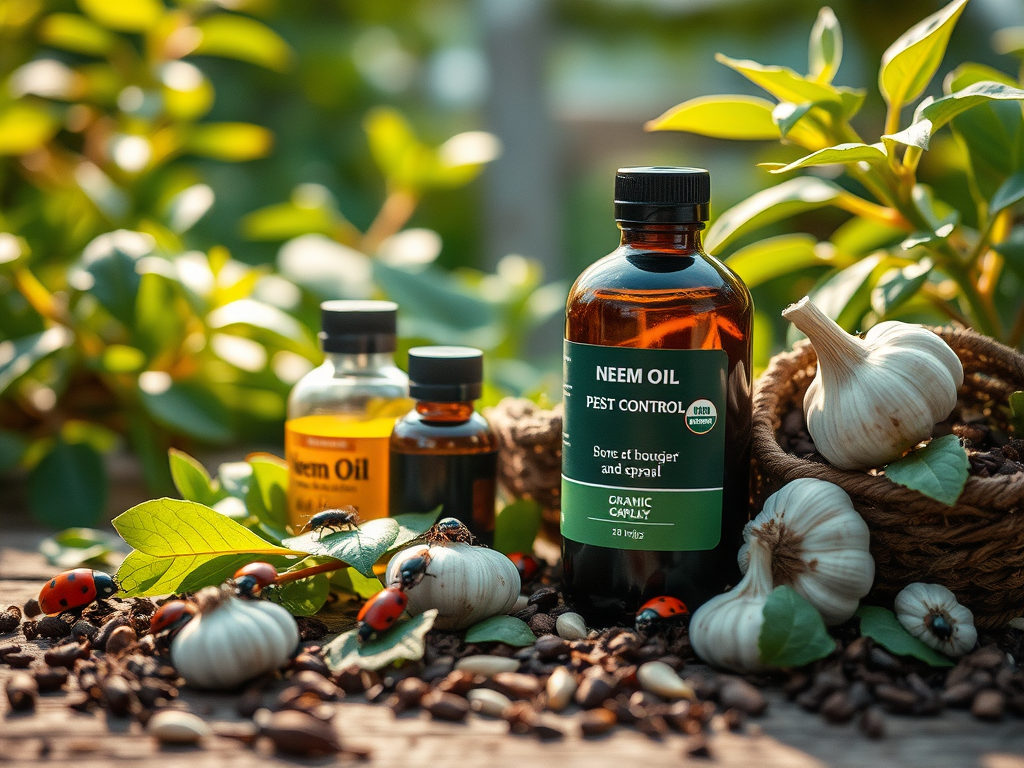
Neem oil is one of the most trusted organic pest control tools available. Extracted from the seeds of the neem tree, it’s a natural insect repellent and fungicide that targets a wide range of garden pests, including aphids, whiteflies, spider mites, mealybugs, and scale.
How It Works:
Neem oil interferes with insects’ hormonal systems, disrupting feeding, growth, and reproduction—without harming beneficial insects like bees when used correctly.
How to Use:
- Mix 1–2 tablespoons of neem oil with 1 teaspoon of mild liquid soap in 1 quart of water.
- Spray in the early morning or evening, avoiding the heat of the day to prevent leaf burn.
- Reapply every 7–10 days or after rain, especially during an active infestation.
Tip: Always test on a small part of the plant before full application, as some plants may be sensitive.
2. Beneficial Insects: Let Nature Do the Work
Not all bugs are bad. In fact, many insects are essential allies in the garden, preying on common pests and helping maintain a healthy ecosystem.
Best Beneficial Insects for Pest Control:
- Ladybugs: Devour aphids, mealybugs, and soft-bodied insects.
- Lacewings: Their larvae, often called “aphid lions,” eat aphids, thrips, whiteflies, and mites.
- Parasitic wasps: Lay their eggs inside caterpillars and other pests, naturally reducing populations.
- Predatory mites: Target harmful spider mites without damaging your plants.
How to Attract or Introduce:
- Grow nectar-rich flowers like yarrow, dill, fennel, and alyssum.
- Avoid broad-spectrum insecticides that may kill beneficial bugs.
- Purchase live beneficial insects from reputable garden suppliers if natural populations are low.
Note: Be patient—natural predators take time to establish and control pest populations effectively.
3. Homemade Sprays: DIY Solutions from Your Kitchen
If you prefer to keep things simple and affordable, homemade sprays can be surprisingly effective at managing common pests.
A Few Trusted Recipes:
Garlic-Pepper Spray (general insect repellent):
- Blend 1 garlic bulb and 1 hot pepper with 2 cups of water.
- Let sit overnight, then strain and dilute with 1 quart of water.
- Spray directly on affected leaves (avoid during full sun).
Soap Spray (for aphids, whiteflies, spider mites):
- Mix 1 tablespoon of unscented liquid soap with 1 quart of water.
- Spray on pests every few days until the problem resolves.
Oil Spray (for soft-bodied insects):
- Combine 1 tablespoon of vegetable oil with 1 tablespoon of dish soap in 1 quart of water.
- Shake well and spray directly on insects.
Always test on a small section of the plant first, and avoid applying during hot or sunny parts of the day.
Extra Tips for Organic Pest Prevention
- Healthy soil = healthy plants: Start with compost-rich soil to grow resilient plants that can better resist pests.
- Rotate crops: Prevent pests and diseases from building up in one area season after season.
- Companion planting: Grow pest-repelling plants like marigolds, basil, and chives near vulnerable crops.
- Clean garden beds: Remove dead leaves and debris that can harbor pests and disease.
Final Thoughts: A Balanced Garden Is a Strong Garden
Organic pest control isn’t about eliminating every insect—it’s about creating balance. By using neem oil, introducing beneficial insects, and crafting simple homemade sprays, you can effectively manage pest problems without harming your plants, your soil, or the environment.
With a little observation, patience, and the right tools, your garden can thrive naturally—no chemicals required.
Have a go-to organic pest control tip or remedy? Share it in the comments—we’d love to hear what’s working in your garden.
 The Planter's Companion