
Companion Planting for a Healthier Garden
Which plants grow better together (and which to keep apart) for pest control and yield
If you’ve ever noticed that some plants thrive beside certain neighbors—but struggle when planted next to others—you’ve already witnessed the benefits of companion planting. This time-tested gardening method involves strategically pairing plants to help one another grow, repel pests, and improve yields naturally.
Whether you’re working in raised beds, containers, or traditional rows, companion planting can lead to a more productive, pest-resistant, and low-maintenance garden. Here’s a guide to which plants grow well together, which to keep apart, and how to get started.
What Is Companion Planting?
Companion planting is the practice of placing specific plants near one another to promote mutual benefits. Some plants enrich the soil, some deter pests, and others provide shade, support, or attract pollinators. By mimicking nature’s diversity, this method creates a more balanced garden ecosystem.
Tried-and-True Companion Plant Pairings
Corn, Beans, and Squash (The “Three Sisters”)
This traditional combination from Indigenous agricultural practices creates a self-sustaining system. Corn provides a tall support for beans to climb. Beans fix nitrogen in the soil, enriching it for other crops. Squash spreads across the ground, suppressing weeds and conserving moisture.
Tomatoes, Basil, and Marigolds
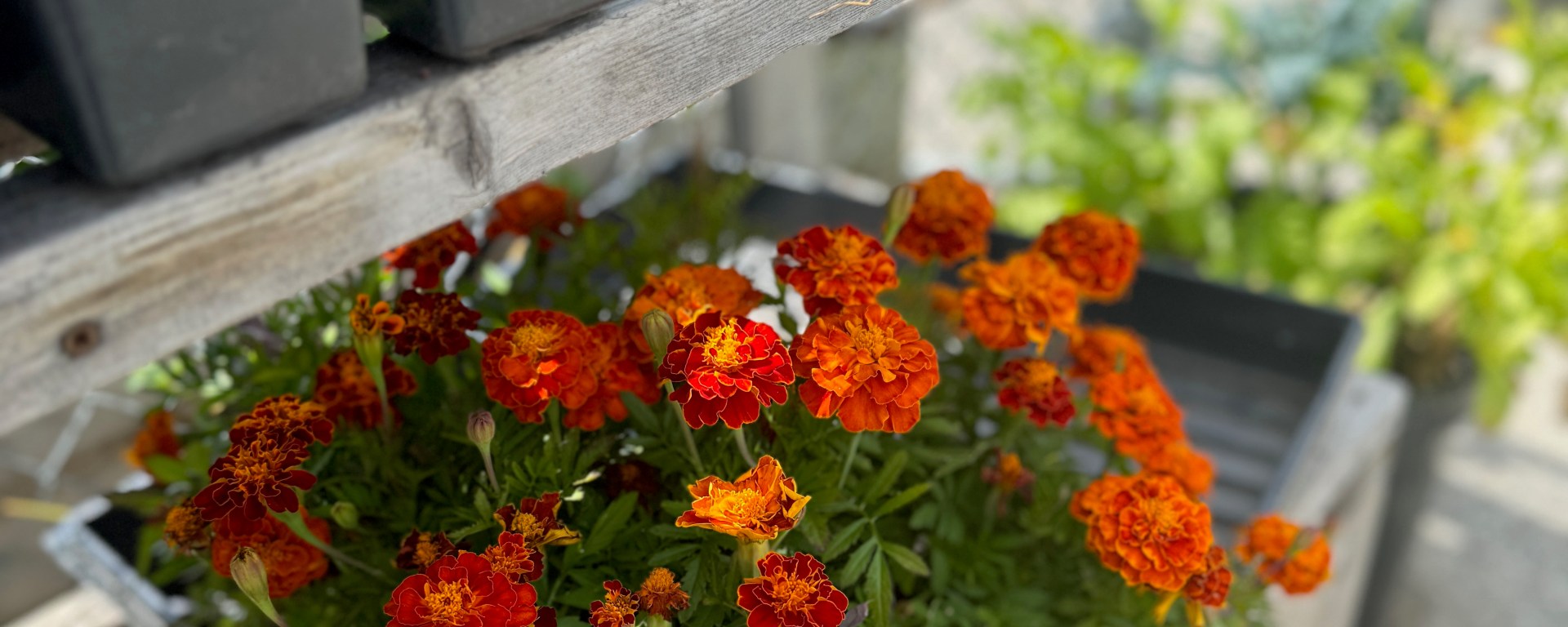
Basil is believed to improve the flavor of tomatoes and may help deter pests like whiteflies and tomato hornworms. Marigolds repel soil-dwelling pests such as nematodes and can discourage aphids and beetles.
Carrots and Onions
These make a great team because onions deter carrot flies, while carrots can help repel onion flies. Both can be grown closely together in cooler seasons with minimal pest interference.
Potatoes and Horseradish
Horseradish, planted at the corners of potato beds, is said to deter potato beetles and other pests. Just be cautious—horseradish spreads aggressively and may need containment.
Cucumbers, Nasturtiums, and Radishes
Nasturtiums act as a “trap crop,” luring aphids and other pests away from cucumbers. Radishes can help deter cucumber beetles and grow quickly without competing much for space.
Combinations to Avoid
Some plants hinder each other’s growth or attract the same pests. These pairings are best avoided.
Beans with Onions or Garlic
Alliums such as onions, garlic, and leeks may stunt the growth of beans and peas due to their natural chemical compounds.
Tomatoes with Corn
Both are heavy feeders that can compete for nutrients. Additionally, they are susceptible to similar pests, including the corn earworm (also known as the tomato fruitworm).
Potatoes with Tomatoes
Being part of the same nightshade family, these crops share vulnerabilities to blight and similar pests. Planting them together can increase the risk of disease spread.
Carrots with Dill
Dill may inhibit the growth of carrots if planted too closely. It’s best to keep them in separate beds or areas of the garden.
Tips for Successful Companion Planting
- Group by needs: Place plants together that share similar sun, soil, and water requirements.
- Observe and adjust: What works well in one garden may not in another. Take notes on what combinations perform best in your space.
- Avoid overcrowding: Even good companions need proper airflow and access to nutrients.
- Rotate crops: Companion planting works best when paired with crop rotation. This reduces soil depletion and helps manage pests naturally.
- Mix in flowers and herbs: Plants like calendula, borage, and chamomile can attract beneficial insects and support pollination throughout your garden.
Final Thoughts: Let Nature Work for You
Companion planting is a natural, low-cost way to improve the health, diversity, and productivity of your garden. By understanding which plants support one another—and which ones compete—you can grow more food with fewer chemicals and less effort.
Whether you’re looking to boost your vegetable yield, control pests organically, or simply create a more beautiful and functional garden space, companion planting is a practice worth trying.
Have a favorite plant pairing that works well in your garden? Share your experience or questions in the comments—we’d love to hear from you.
 The Planter's Companion