
Mulching is one of the most effective gardening practices for improving soil health, conserving water, and protecting plants from extreme weather. During hot weather, especially in summer, mulch becomes critical to a garden’s survival and productivity.
Whether you’re managing a home vegetable garden, flower bed, or landscaped yard, understanding how and why to mulch properly can make a significant difference in your results.
What Is Mulch?
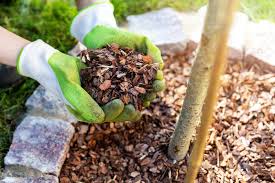
Mulch refers to a layer of material spread on top of the soil. It can be made of organic materials like straw, grass clippings, leaves, bark, or compost—or inorganic options such as gravel or plastic sheeting.
Mulch helps retain soil moisture, regulate soil temperature, suppress weeds, and reduce soil erosion. Organic mulch has the added benefit of breaking down over time and enriching the soil.
Benefits of Mulching in Hot Weather
1. Conserves Soil Moisture
In hot, dry weather, soil moisture evaporates quickly. Mulching helps reduce water loss by acting as a protective barrier, keeping moisture in the soil where plants need it most. This is especially important in regions experiencing drought or watering restrictions.
2. Regulates Soil Temperature
High soil temperatures can damage plant roots and hinder growth. A proper layer of mulch insulates the soil, keeping it cooler during the day and reducing thermal stress on plants.
3. Suppresses Weed Growth
Weeds compete with plants for water, nutrients, and space. Mulch blocks sunlight from reaching weed seeds, minimizing germination and reducing the need for manual weeding.
4. Prevents Soil Erosion and Crusting
Heavy sun exposure and watering can cause topsoil to compact and crust, making it harder for water to penetrate. Mulching prevents crusting and shields the soil from wind and rain erosion.
5. Enhances Soil Quality Over Time
Organic mulches slowly decompose and contribute to the nutrient profile of your soil. This supports long-term plant health and reduces the need for synthetic fertilizers.
How to Mulch a Vegetable Garden
Vegetable gardens are particularly vulnerable to the effects of hot weather. Proper mulching not only conserves moisture and suppresses weeds but also supports a healthier, more productive growing environment.
Best Mulch Materials for Vegetable Gardens
- Straw (not hay): Clean, lightweight, and effective at suppressing weeds and maintaining moisture.
- Grass clippings: Rich in nitrogen; apply in thin layers to avoid matting.
- Compost: Improves soil structure while providing a mulch barrier.
- Shredded leaves: A great free option that improves soil as it breaks down.
Steps to Mulch a Vegetable Garden
- Remove existing weeds. Always start with a clean garden bed.
- Water the soil thoroughly. Apply mulch to damp soil for best results.
- Apply 2 to 4 inches of mulch. A thick enough layer provides insulation without suffocating the soil.
- Keep mulch away from plant stems. Leave a few inches of space around each plant to prevent stem rot and pest problems.
Common Mulching Mistakes to Avoid
- Using green or unaged mulch in thick layers: This can overheat or harm plants due to high nitrogen content.
- Piling mulch against stems or trunks: This can trap moisture and lead to rot or attract insects.
- Ignoring mulch maintenance: Organic mulches decompose and need to be replenished periodically to remain effective.
Long-Term Benefits of Mulching
In addition to immediate summer protection, mulching supports year-round soil health, reduces garden maintenance, and improves plant resilience. Over time, mulch contributes to stronger root systems, higher yields in vegetable gardens, and better water efficiency across your landscape.
Mulching is a simple yet powerful gardening technique that every gardener should use—especially during periods of hot, dry weather. It reduces watering needs, protects plant roots, controls weeds, and improves overall soil health.
For vegetable gardens in particular, mulching can mean the difference between a thriving harvest and heat-stressed crops. With the right materials and proper application, mulching will keep your garden productive, even during the hottest months of the year.
 The Planter's Companion