

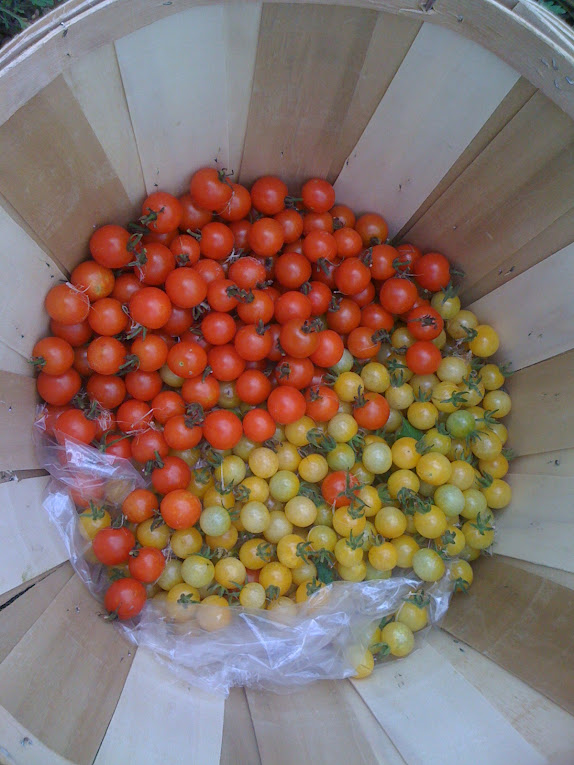
Tomatoes are a staple in many home gardens—and for good reason. They’re easy to grow, incredibly versatile in the kitchen, and taste far better fresh off the vine than store-bought alternatives. If you’re wondering how to plant tomatoes in your garden the right way, you’re in the right place. In this guide, we’ll cover everything from choosing the best tomato varieties to proper planting techniques, soil preparation, and ongoing care to help you grow juicy, flavorful tomatoes all season long.
1. Choose the Right Tomato Variety
Before you plant, decide whether you want determinant (bush-type) or indeterminate (vining) tomatoes. Determinant varieties grow to a set height and fruit all at once, making them great for canning. Indeterminate tomatoes produce fruit continuously and require staking or cages for support.
Popular garden varieties:
- Roma (plum-type, great for sauces)
- Cherry tomatoes (sweet and bite-sized)
- Beefsteak (large and perfect for slicing)
2. Pick the Perfect Spot
Tomatoes need 6–8 hours of direct sunlight daily. Choose a sunny spot in your garden that offers good airflow and is free of frost risks. Avoid areas where tomatoes, peppers, or eggplants were grown in the last two years to prevent soil-borne diseases.
3. Prepare the Soil
Tomatoes thrive in well-drained, fertile soil with a pH of 6.0–6.8. Add organic compost or aged manure to enrich the soil with nutrients. If needed, perform a soil test and amend it with lime or sulfur to adjust pH levels.
Pro Tip: Mix in a handful of crushed eggshells or bone meal at the planting site to add calcium and prevent blossom-end rot.
4. When and How to Plant Tomatoes
Best time to plant: Wait until after the last frost and when nighttime temperatures stay above 50°F (10°C).
Step-by-step planting instructions:
- Harden off seedlings: Acclimate young plants by placing them outdoors for a few hours daily over 7–10 days.
- Dig deep: Tomato stems can grow roots if buried. Plant seedlings deep—up to the first set of leaves.
- Spacing: Space plants 18–24 inches apart in rows 3–4 feet apart.
- Support: Install cages or stakes at planting time to avoid damaging roots later.
5. Watering and Mulching
Water consistently and deeply, aiming for 1–2 inches of water per week. Avoid overhead watering to reduce the risk of fungal diseases.
Apply 2–3 inches of organic mulch (like straw or shredded leaves) around the base to conserve moisture, suppress weeds, and regulate soil temperature.
6. Fertilizing for Growth
Start with a balanced fertilizer at planting (e.g., 10-10-10), then switch to a low-nitrogen, high-phosphorus fertilizer once fruiting begins. Too much nitrogen encourages leafy growth at the expense of fruit.
7. Tomato Plant Care and Maintenance
- Prune suckers: Remove small shoots growing between the stem and branches to encourage airflow and focus energy on fruit production.
- Monitor for pests: Keep an eye out for aphids, tomato hornworms, and whiteflies.
- Check for diseases: Watch for signs of blight, wilt, or leaf spots, and remove affected leaves promptly.
8. Harvesting Your Tomatoes
Tomatoes are ready to harvest when they’re fully colored and slightly firm. Gently twist or cut the fruit from the vine. Regular harvesting encourages more fruit production.
Learning how to plant tomatoes properly in your garden is the key to a productive and rewarding growing season. With the right variety, soil, sunlight, and care, you’ll be enjoying delicious, home-grown tomatoes in no time. Whether you’re a beginner or an experienced gardener, following these simple steps will help ensure a healthy, fruitful tomato crop.
 The Planter's Companion