
Prescribed burns—also known as controlled burns—are intentional, carefully planned fires set by land management professionals to achieve specific ecological or hazard-reduction goals. While fire is often seen as destructive, prescribed burning is a powerful and necessary tool used to manage landscapes, reduce the risk of severe wildfires, and restore ecological balance.
What Is a Prescribed Burn?
A prescribed burn is the intentional ignition of vegetation under controlled conditions. Fire crews use specific weather, moisture, and wind parameters to ensure the fire behaves predictably and stays within designated boundaries. These burns can be conducted in forests, grasslands, wetlands, or agricultural areas.
Planning a prescribed burn involves:
- Assessing the area’s fuel load (dead leaves, branches, grasses)
- Setting clear objectives (e.g., reducing fire hazards, promoting species regeneration)
- Monitoring weather conditions
- Notifying the public and local authorities
- Having trained crews and fire suppression equipment on site
Why Are Prescribed Burns Important?
- Wildfire Risk Reduction
By burning off accumulated vegetation, prescribed burns help prevent catastrophic wildfires. When dead organic material builds up, it can serve as fuel for uncontrolled blazes. Controlled burns reduce this fuel load, creating firebreaks and lowering fire intensity in future wildfires. - Ecological Restoration
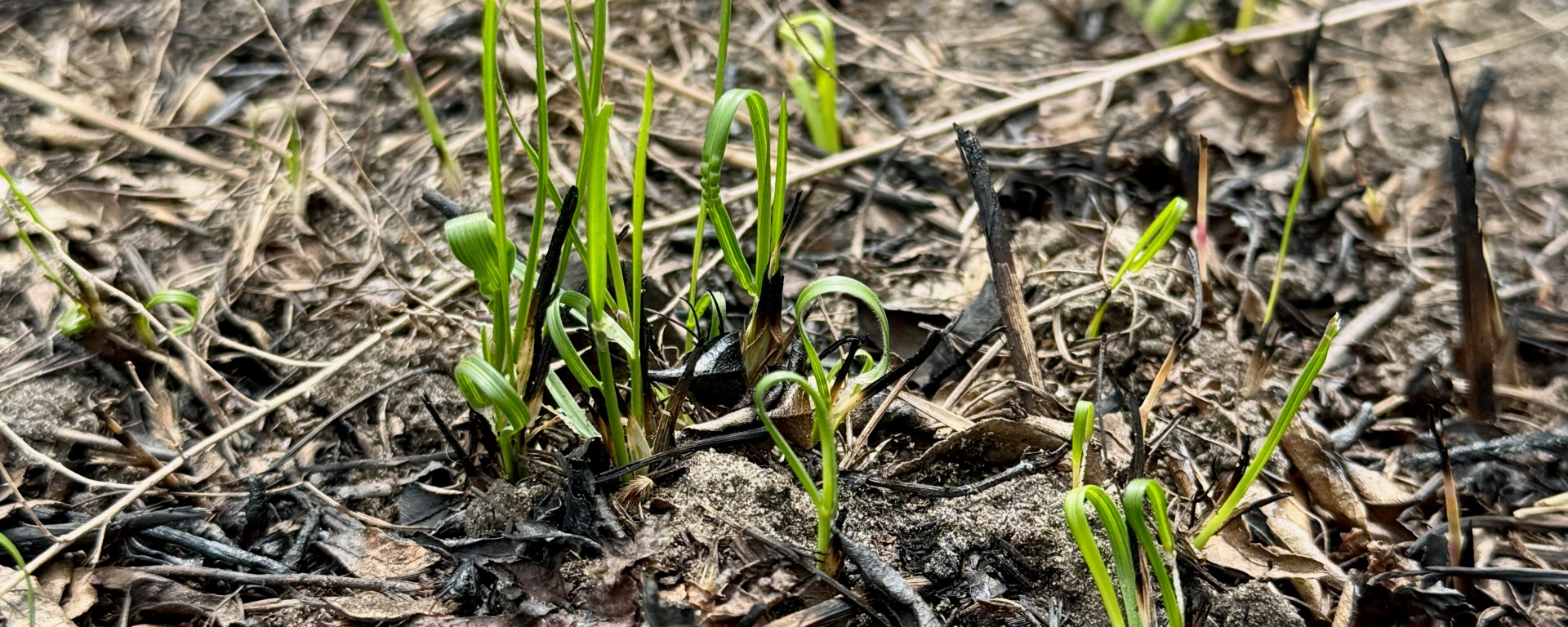
Many ecosystems evolved with fire and depend on it. Fire helps clear out invasive species, releases nutrients into the soil, and encourages the growth of native plants. For example, longleaf pine forests and certain prairie ecosystems rely on periodic burns to maintain biodiversity. - Pest and Disease Control
Fire can destroy pests, insect larvae, and disease-causing pathogens that affect trees and plants. This can reduce the spread of forest diseases and improve forest health. - Wildlife Habitat Management
Some wildlife species thrive in habitats maintained by fire. Prescribed burns create open spaces for foraging, nesting, and shelter, benefiting species such as quail, deer, and certain birds.
Risks and Challenges
Despite their benefits, prescribed burns carry inherent risks. Changes in wind direction or unexpected weather shifts can cause burns to escape control, potentially threatening nearby homes or ecosystems. Air quality concerns and smoke management are also key challenges, especially near populated areas.
To minimize risks, agencies like the U.S. Forest Service, Bureau of Land Management, and state forestry departments use extensive planning, modeling, and community outreach. Even with the rare mishap, the long-term benefits of prescribed burning often outweigh the short-term risks.
Looking Forward
As climate change intensifies wildfire seasons, prescribed burns are becoming more essential. However, policy shifts, funding, and public education are necessary to expand their use safely and effectively. Indigenous communities, who have practiced cultural burning for centuries, are also playing a growing role in restoring fire-adapted landscapes with traditional knowledge.
Prescribed burns are a vital part of modern land and fire management. When executed responsibly, they help protect communities, preserve natural ecosystems, and reduce the destructive impact of wildfires. Understanding and supporting these practices is crucial as we adapt to a changing climate and seek more sustainable ways to live with fire.
 The Planter's Companion