

As the vibrant colors of fall begin to fade and the chill of winter sets in, it’s time to think about preparing your garden for the colder months ahead. Taking the right steps now can ensure that your garden not only survives the winter but also thrives in the spring. Here’s a comprehensive guide on how to prepare your garden for winter, ensuring a healthy and bountiful spring.

Why Winter Preparation is Crucial
Preparing your garden for winter is essential for several reasons:
Soil Health: Protecting your soil from erosion and nutrient depletion.
Plant Survival: Ensuring perennials and other plants survive freezing temperatures.
Pest Management: Reducing pest populations before they can infest your garden in spring.
Essential Steps to Prepare Your Garden for Winter
1. Clean Up Your Garden
Start by removing dead plants, fallen leaves, and any debris. This helps prevent the spread of pests and diseases. Compost healthy plant material, but dispose of any diseased plants to avoid future problems.
2. Mulch Your Beds
Applying a layer of mulch (2-4 inches) to your garden beds will insulate the soil, retaining moisture and regulating temperature. Organic mulches, like shredded leaves or straw, also enrich the soil as they decompose.
3. Plant Fall Bulbs
Fall is the perfect time to plant spring-blooming bulbs such as tulips, daffodils, and hyacinths. Choose a sunny spot, plant at the recommended depth, and water thoroughly to encourage root development before winter.
4. Prune Perennials and Shrubs
Prune back perennials and dead or damaged branches on shrubs. This helps to prevent winter damage and encourages healthy growth in the spring. However, avoid heavy pruning on spring-flowering shrubs until after they bloom.
5. Protect Sensitive Plants
Consider covering delicate plants with burlap or floating row covers to protect them from harsh winter winds and frost. For container plants, either bring them indoors or wrap the pots in bubble wrap for insulation.
6. Soil Amendment
Fall is an excellent time to amend your soil with compost or well-rotted manure. This adds nutrients and improves soil structure, setting the stage for a healthy garden come spring.
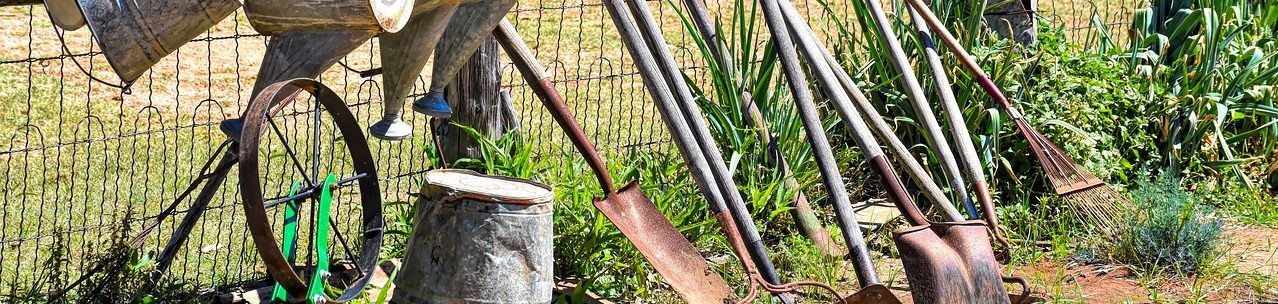
7. Check Your Tools
Winter is the perfect time to clean and maintain your gardening tools. Remove any dirt and debris, sharpen blades, and oil moving parts to ensure your tools are ready for action in spring.
8. Plan for Next Season
Take some time to reflect on your garden’s performance this year. Note what worked well and what didn’t. Use this information to create a plan for next year’s garden, including crop rotation and new plants you want to try.
9. Protect Your Garden from Pests
Consider using physical barriers, like row covers, or natural repellents to deter pests from overwintering in your garden. Regularly check for signs of pests and manage them promptly.
10. Watering Considerations
As temperatures drop, reduce watering but ensure that your plants, especially evergreens, receive adequate moisture before the ground freezes. A well-hydrated plant is better equipped to handle winter stress.
Preparing your garden for winter may seem daunting, but taking these essential steps will ensure that your garden remains healthy and vibrant come spring. By cleaning up, protecting your plants, and enhancing your soil, you’ll set yourself up for a successful gardening season ahead. Embrace the winter preparations now, and enjoy the fruits of your labor in the warmer months to come!
 The Planter's Companion