

As the leaves turn vibrant shades of red, orange, and gold, fall is the perfect time to embrace composting. This season not only provides a bounty of organic materials but also sets the stage for a successful compost pile that will enrich your garden soil come spring. Whether you’re a composting novice or a seasoned pro, this guide will help you optimize your composting efforts during the fall.
Why Fall is Ideal for Composting
Fall is an excellent time to focus on composting for several reasons:
- Abundant Organic Materials: The fall season offers a rich supply of leaves, twigs, and garden debris, which are perfect for composting. These materials are high in carbon and help balance the nitrogen-rich kitchen scraps.
- Cooler Temperatures: The cooler weather slows down the decomposition process, which can be beneficial for maintaining a steady composting rate. It also reduces the risk of odors and pests.
- Preparation for Spring: Composting in the fall allows your compost to break down over the winter, so it’s ready to enrich your garden soil when spring arrives.
How to Start Composting in the Fall
1. Gather Your Materials
To kickstart your fall composting efforts, collect a mix of green and brown materials:
- Green Materials: These are rich in nitrogen and include kitchen scraps like fruit and vegetable peels, coffee grounds, and grass clippings.
- Brown Materials: These are rich in carbon and include fallen leaves, straw, and small twigs.
2. Create a Balanced Compost Pile
A well-balanced compost pile is key to efficient decomposition. Aim for a ratio of roughly 3 parts brown materials to 1 part green materials. This balance ensures that your compost pile heats up properly and breaks down efficiently.
3. Build Your Compost Pile
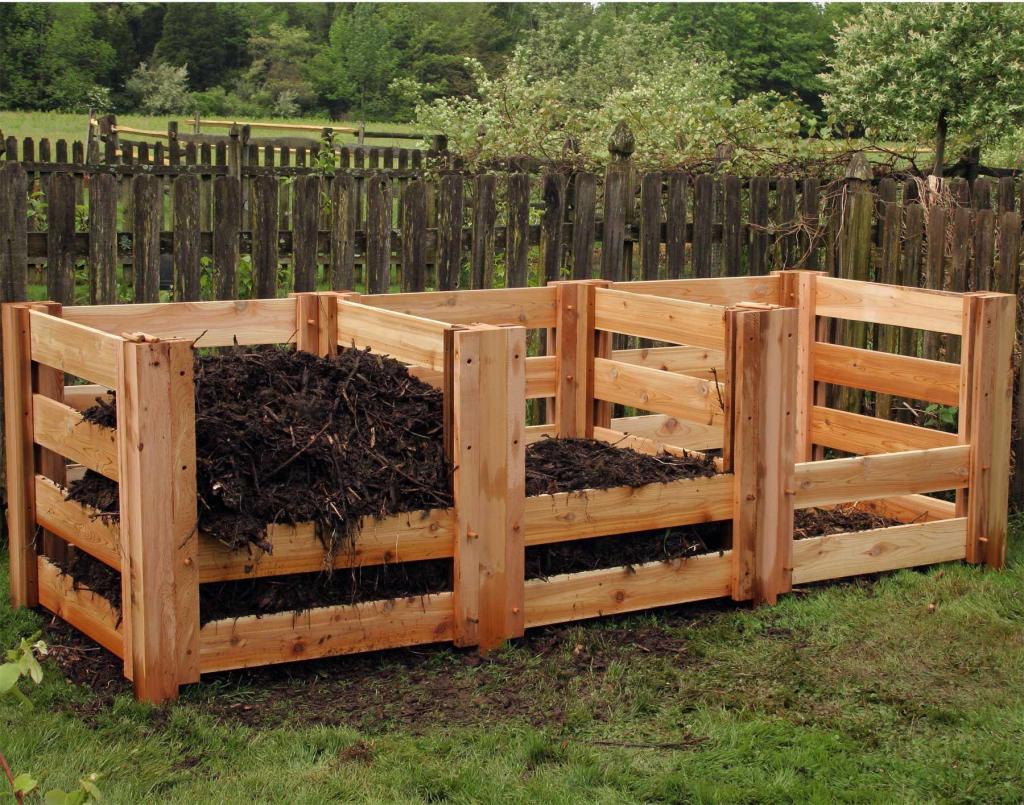
Start by placing a layer of coarse brown materials (like small branches) at the bottom of your compost bin or pile. This helps with aeration and drainage. Alternate layers of green and brown materials, and make sure to turn the pile regularly to introduce oxygen, which speeds up the decomposition process.
4. Monitor Moisture Levels
Keep your compost pile moist, but not too wet. The pile should feel like a damp sponge. If it’s too dry, add water; if it’s too wet, mix in more brown materials.
5. Insulate Your Compost Pile
As temperatures drop, insulate your compost pile with extra layers of brown materials or a composting blanket to retain heat and keep the pile active. This insulation helps maintain a steady decomposition rate throughout the colder months.
Common Fall Composting Challenges
1. Wet Leaves: Wet leaves can become compacted and slow down decomposition. Mix them with other brown materials to improve airflow and avoid matting.
2. Slow Decomposition: Cooler temperatures can slow down the composting process. Regularly turning the pile and maintaining proper moisture levels can help keep decomposition on track.
3. Pests: While fall is generally less problematic for pests, ensure your compost pile is well-aerated and covered to prevent rodents and other unwanted critters.
Tips for Successful Fall Composting
Chop Up Large Materials: Breaking down large leaves and branches into smaller pieces speeds up decomposition.
Use a Compost Thermometer: A compost thermometer helps monitor the internal temperature of your pile, ensuring it stays within the ideal range (130-160°F).
Avoid Composting Diseased Plants: Fall often brings plant diseases. To prevent spreading these diseases, avoid composting affected plants.
Composting in the fall is a rewarding endeavor that contributes to a healthier garden and a more sustainable environment. By gathering a diverse mix of organic materials, maintaining balance and moisture, and addressing common challenges, you’ll set the stage for a thriving compost pile that will be ready to boost your garden’s soil in the spring. Embrace the fall season as an opportunity to enrich your composting practices and prepare for a flourishing garden ahead.
 The Planter's Companion