
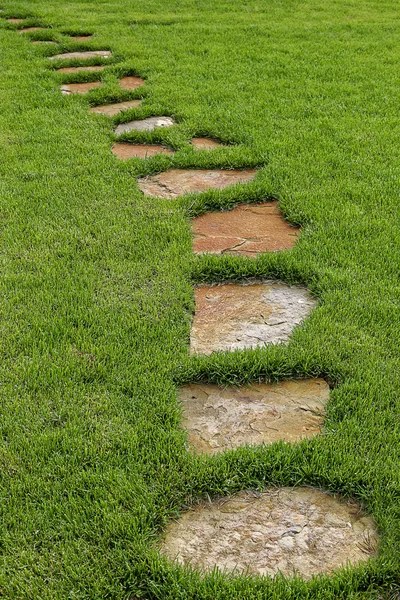
Discover the best methods for installing a natural stone footpath in your garden. Our step-by-step guide covers planning, preparation, and installation tips for a beautiful and durable pathway.
Natural stone footpaths add timeless beauty and elegance to any garden, creating a durable and functional path that seamlessly blends with the natural landscape. If you’re considering installing a natural stone footpath in your garden, this guide will walk you through the best methods to ensure a successful project. From planning and preparation to installation and maintenance, here’s everything you need to know to create a stunning and enduring footpath.
1. Choosing the Right Stone
The first step in creating your natural stone footpath is selecting the right type of stone. Here are some popular options:
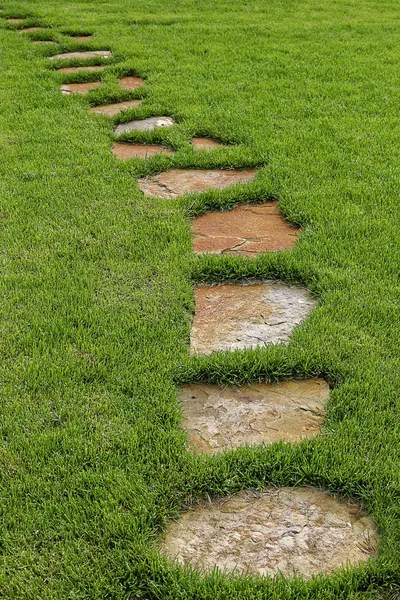
- Flagstone: Large, flat stones often used for patios and walkways. They are available in various colors and textures.
- Slate: Known for its smooth surface and rich colors, slate is a durable option that adds a sophisticated touch to your garden.
- Limestone: A versatile choice that is easy to cut and shape, limestone offers a classic look and comes in shades of gray, tan, and beige.
- Cobblestone: Small, rounded stones that create a rustic, old-world charm. They are ideal for traditional or historical garden designs.
2. Planning Your Footpath
Proper planning is crucial for a successful footpath installation. Follow these steps:
- Design the Path: Decide on the path’s layout, considering both functionality and aesthetics. Will it be a straight line or a winding route? Sketch out the design on paper or use garden planning software.
- Measure and Mark: Measure the dimensions of your path and mark the layout in your garden using stakes and string or a garden hose.
3. Preparing the Site
Preparation is key to ensuring a stable and long-lasting footpath. Here’s how to prepare:
- Excavate the Area: Dig out the area where the path will go to a depth of about 4-6 inches. This will allow for a base layer and ensure that the stones are level.
- Create a Base: Fill the excavated area with a layer of crushed stone or gravel (about 2-3 inches deep). This provides drainage and stability for the stones.
- Level the Base: Use a rake and a tamper to level and compact the base layer. A properly compacted base prevents shifting and settling of the stones.
4. Laying the Stones
Now it’s time to lay the stones and create your footpath. Follow these steps for a smooth installation:
- Dry Layout: Before setting the stones, lay them out on the prepared base to determine the best arrangement. Adjust as needed for a harmonious pattern.
- Set the Stones: Starting at one end of the path, begin placing the stones into the base layer. For larger stones, use a rubber mallet to tap them into place. Ensure each stone is level and firmly set.
- Fill Gaps: Once all stones are in place, fill the gaps between them with crushed stone, sand, or polymeric sand. This helps stabilize the stones and prevent weed growth.
5. Finishing Touches
After laying the stones, there are a few final steps to complete the installation:
- Compact the Surface: Use a plate compactor or hand tamper to press the stones and filler material into place. This ensures a solid and even surface.
- Clean the Path: Remove any excess sand or debris from the stones. Use a broom or leaf blower for a clean finish.
- Seal the Stones: Consider applying a stone sealer to protect the footpath from stains and weathering. Choose a sealer appropriate for the type of stone you’ve used.
6. Maintenance Tips
To keep your natural stone footpath looking beautiful, follow these maintenance tips:
- Regular Cleaning: Sweep the path regularly to remove debris. For stains, use a gentle cleanser suited for natural stone.
- Weed Control: Address weeds promptly to prevent them from disrupting the path’s appearance. You can use a weed killer or hand-pull weeds as needed.
- Inspect and Repair: Periodically check for any shifting stones or damage. Address any issues promptly to maintain the integrity of the path.
Conclusion
Installing a natural stone footpath in your garden enhances both the functionality and beauty of your outdoor space. By selecting the right stone, planning carefully, preparing the site properly, and following the correct installation techniques, you can create a durable and visually stunning pathway. With proper maintenance, your footpath will remain a cherished feature of your garden for years to come.
 The Planter's Companion